




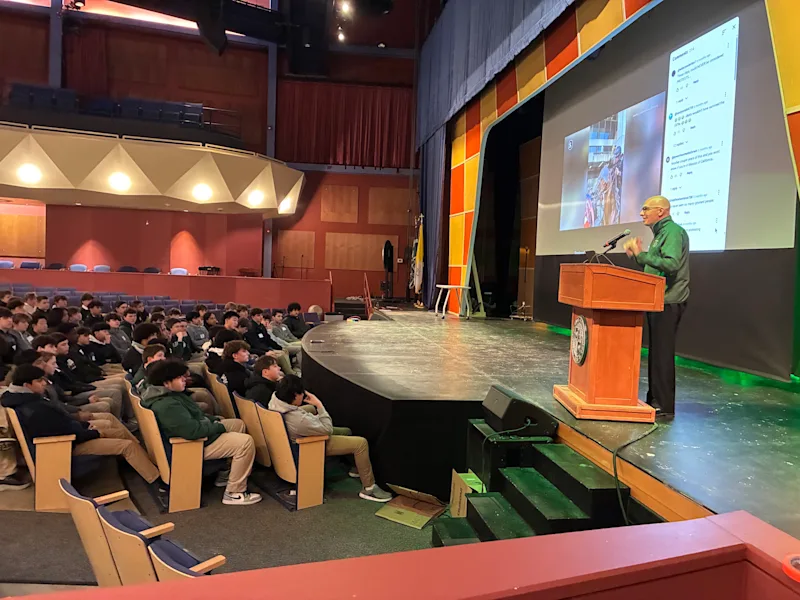
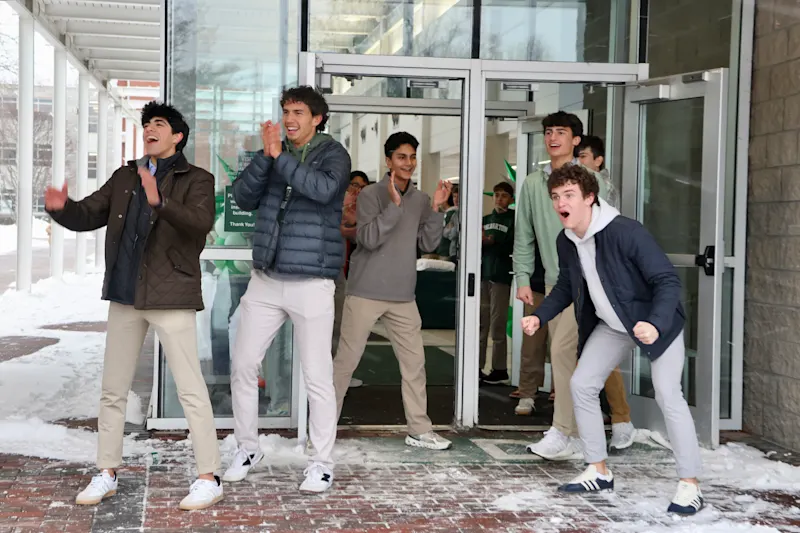




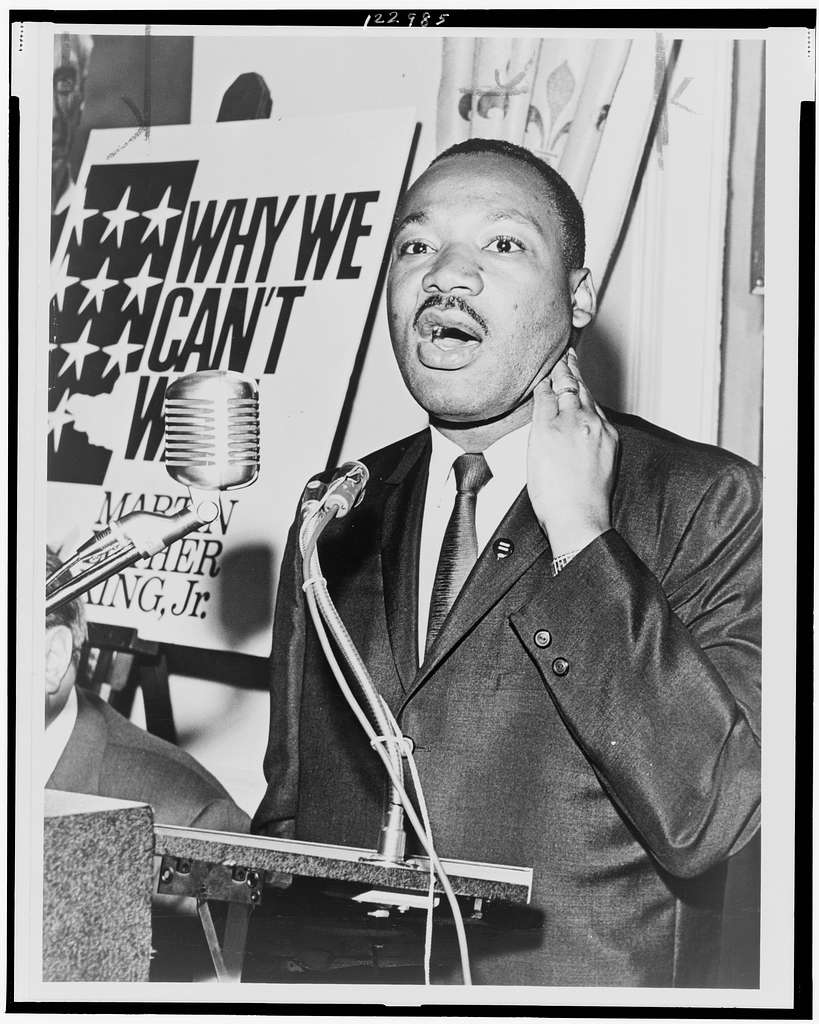

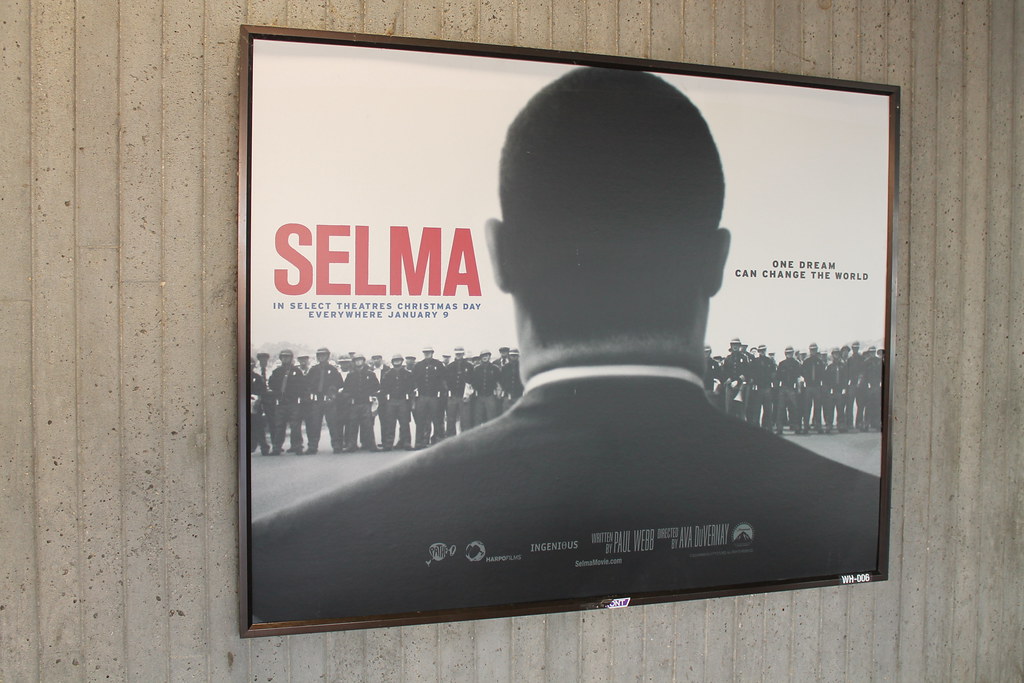
On Friday, January 16th, my brothers and I came together to honor and celebrate the life of Dr. Martin Luther King Jr. at the Selma Movie Screening on campus. Although I had seen the movie previously, the chance to see it again revealed themes and events that I missed previously.
One aspect of the movie that I appreciated was the recognition of MLK’s wife: Coretta Scott King. Typically, when people remember the life of Dr. King, we disregard the impact MLK’s organizing had on her. In the movie, there is a profound moment when MLK is held in a Selma jail, and Coretta meets with Malcom X regarding a speech. Malcom X explains to Coretta that he will share his radical perspective at the church as a way of galvanizing the local white leaders into negotiating with MLK. Eventually, she convinced MLK to compromise with Malcom X which helped ensure that MLK’s voting rights campaign continued.
Another part of the movie that intrigued me was the planning and execution of the three Selma marches; specifically, the pivotal collaboration between John Lewis and MLK. Before MLK arrived in Selma, John Lewis was spearheading the Student Nonviolent Coordinating Committee (SNCC), and doubted Dr. King’s ability to organize. In the film, when John Lewis tells MLK that he will lead the first Selma march (“Bloody Sunday”), this symbolizes a passing of the torch in their relationship. This scene highlights the power of collective change during the Civil Rights Movement. In that instance, John Lewis made a daring sacrifice while Dr. King entrusted him with a great responsibility. John Lewis’s and the protesters’ courage in spite of physical violence played a necessary role in gaining national supporters for the movement.
On a personal note, I was emotionally captivated by the scene where MLK and the 2,000 protesters kneel on the Edmund Pettus Bridge on “Turnaround Tuesday”. I had a full-circle moment as I sat in a room surrounded by my peers from different backgrounds, while people of various religions and cultures kneeled beside MLK. I was living out MLK’s espousing of coexistence and unity simply by being in that room.
Retrospectively, when I reflect on Dr. King’s legacy, one of his quotes comes to mind, “Darkness cannot drive out darkness; only light can do that”. Today, I believe MLK envisioned for us to embrace the light by using every opportunity to come together as a community to be empowered and inspired.