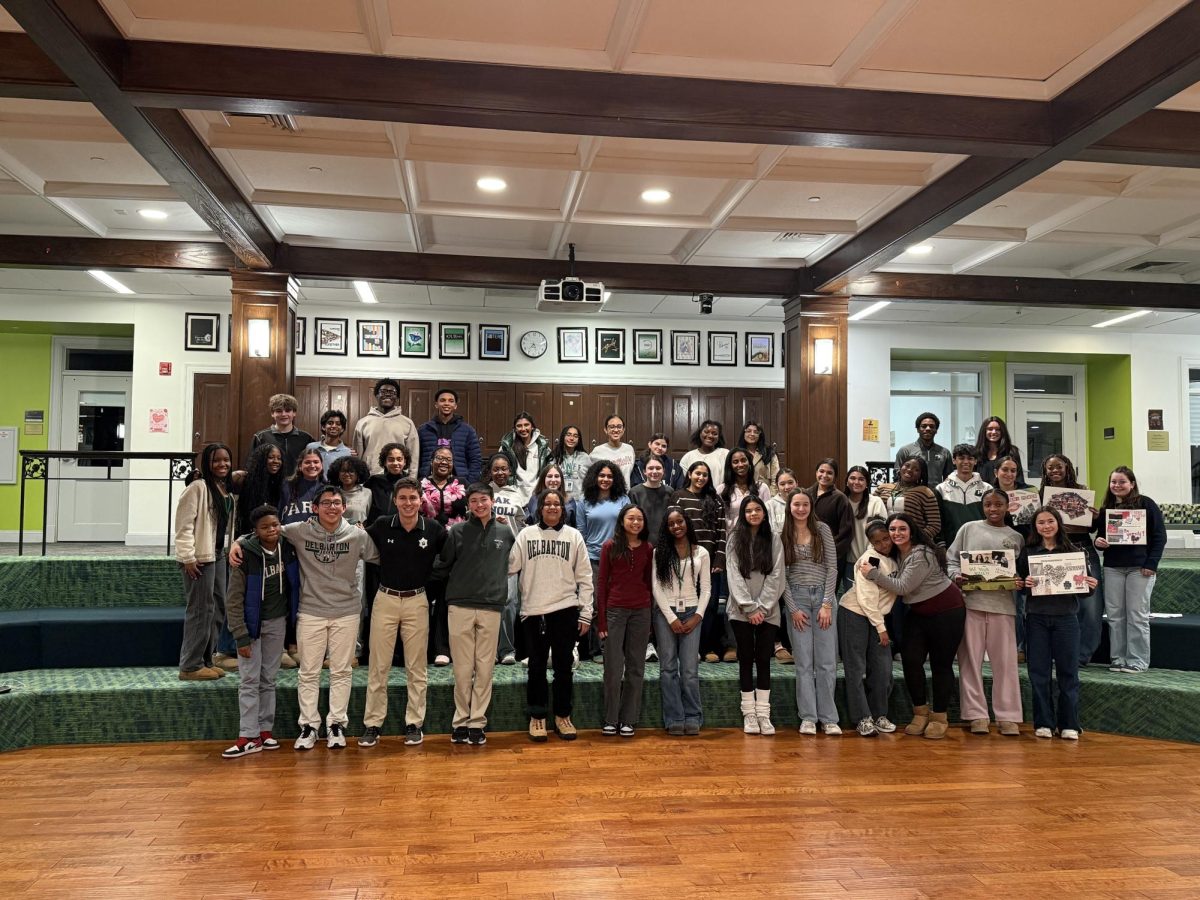










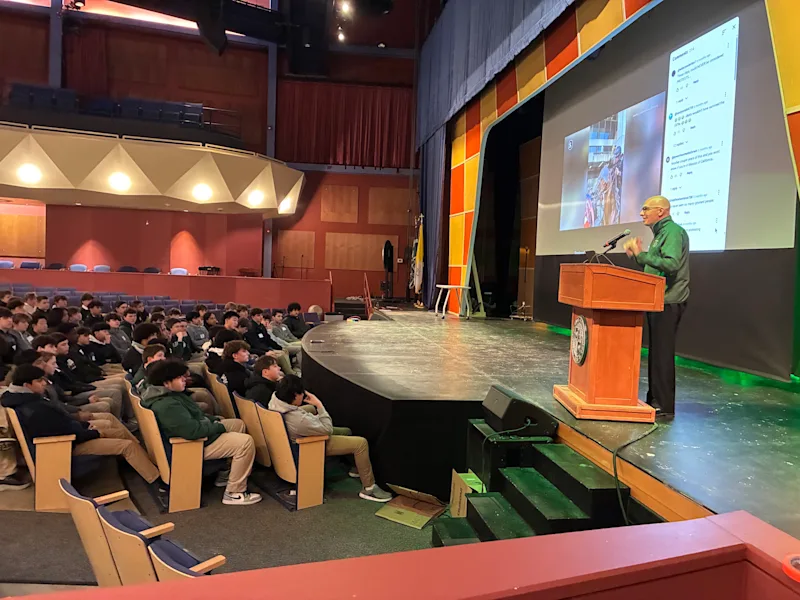
On January 30th, Delbarton hosted its first Social Justice Workshop of the year, focusing on political polarization, violence, and censorship. As a student presenter, I entered the day aware that these topics would be challenging, but that challenge was central to the purpose of the workshop. The Social Justice Committee has long emphasized engaging difficult realities through dialogue grounded in faith, and this workshop continued that tradition.
The day began with prayer and opening remarks before being followed by a video montage of political violence. The images included moments from the Capitol on January 6th, protests tied to racial justice, and scenes surrounding immigration enforcement. Watching these events unfold on screen made it clear that political violence is not distant or theoretical. It is present, complex, and deeply connected to how we see one another.
Catholic Social Teaching framed the conversations that followed. Principles such as the life and dignity of the human person, solidarity, and responsibility toward the vulnerable reminded students that political disagreement never justifies dehumanization. These values guided the small group sessions, where freshmen rotated through discussion groups led by student presenters on immigration, religious discrimination, political violence, media influence, and the erosion of democratic norms.
What stood out most was the seriousness with which the freshmen engaged. They asked thoughtful questions and wrestled with uncertainty rather than defaulting to easy answers. As presenters, our role was not to persuade but to model respectful, critical dialogue rooted in moral reasoning.
The workshop concluded with a closing Paideia that asked whether political violence is ever acceptable, whether our current political climate will persist, and why similar divisions appear across the Western world. The questions were unresolved, but that was the point. The workshop emphasized that facing polarization requires patience, empathy, and a commitment to dialogue.
Leaving the day, I felt a strong sense of responsibility. Political division will not disappear on its own. Delbarton’s Social Justice Workshop reminded us that engaging these issues thoughtfully and humanely is not optional, but essential.