














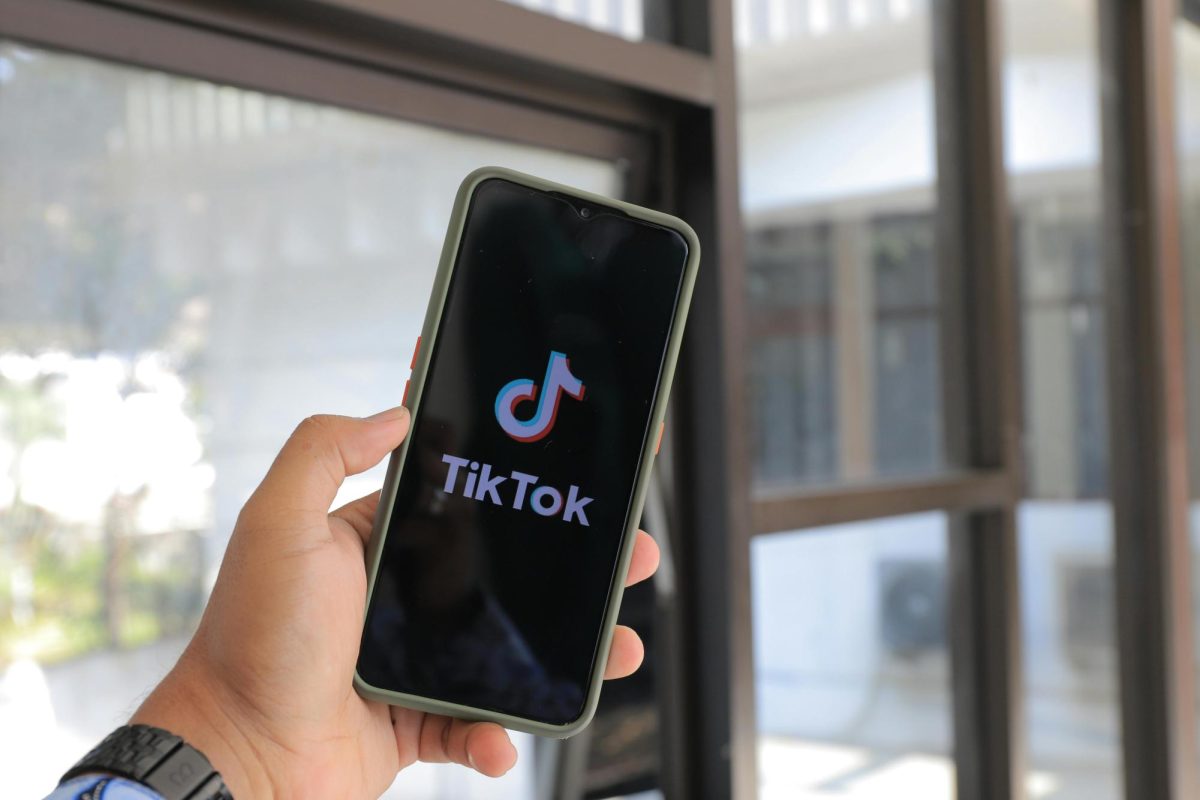
The United States (U.S.) government stated national security concerns over a Chinese-based company called ByteDance and it’s involvement in Tiktok. The U.S. wanted ByteDance to sell TikTok due to data-security concerns. U.S. lawmakers feared that the users’ data could be in jeopardy due to it being accessible by the Chinese government. This prompted repeated threats to ban the platform in the U.S. unless ByteDance sold TikTok to an American-based company.
In 2024, a federal law was upheld by the Supreme Court forced Tiktok to sell or face a ban in the U.S. if Oracle did not buy TikTok in the simple sense of a direct acquisition of the entire company. Instead, ByteDance agreed to transfer control of the U.S. operations to a new entity structured to comply with U.S. legal requirements. That entity, TikTok USDS Joint Venture LLC, was formed on January 22, 2026.
Oracle, Silver Lake, and an investment firm MGX combined for a 81.1% ownership stake in this joint venture and ByteDance retains a minority 19.9% stake of the app. This ownership split puts control of the U.S. business largely in American hands, as mandated by the law. That means Oracle did not acquire TikTok outright; instead it became one of the major investors and managing partners in the new U.S. company. The transition effectively lets the app continue operating for its estimated 200 million American users, avoiding the shutdown that loomed if no agreement occurred. Data protection by U.S. user data is now hosted and secured within Oracle’s U.S. cloud infrastructure under a comprehensive privacy and cybersecurity program.
The recommendation algorithm, the core of TikTok’s personalized For You page, can be retrained and managed within the U.S. using American user data, separate from ByteDance’s systems. Also content moderation, software assurance, and safety policies for U.S. operations will be overseen by the joint venture’s (majority-American) board.
By design, this structure aims to address the national security concerns that drove the sale. The idea is that storing U.S. data domestically and severing direct control by a Chinese parent will satisfy legal and political demands without destroying TikTok’s market presence. At first, reactions were mixed. Some investors saw Oracle’s involvement as a strategic expansion into social media infrastructure and data services, with potential upside beyond its traditional enterprise software business.
This transition after the sale has not been fluid for all users. In its first week under Oracle’s ownership TikTok had experienced many technical issues which include outages tied to a winter storm which affected Oracle’s data centers.
This deal represents a very rare agreement to a geopolitical standoff between the U.S. government and China over digital platforms. Instead of banning TikTok, the U.S. regulators and private investors came to an agreement to keep the app, but reorganize its ownership and data control by keeping it rooted in U.S. infrastructure and governance. The benefit of this reorganization extends beyond national security. Oracle’s stake in TikTok gives this tech giant a seat at the table in one of the most culturally and commercially impactful platforms in the world. The users and creators of the app have a forum to express their imagination in a platform that continues to evolve under protections that address lawmakers’concerns. In the end, national safety is a concern that is paramount.