
















Overview
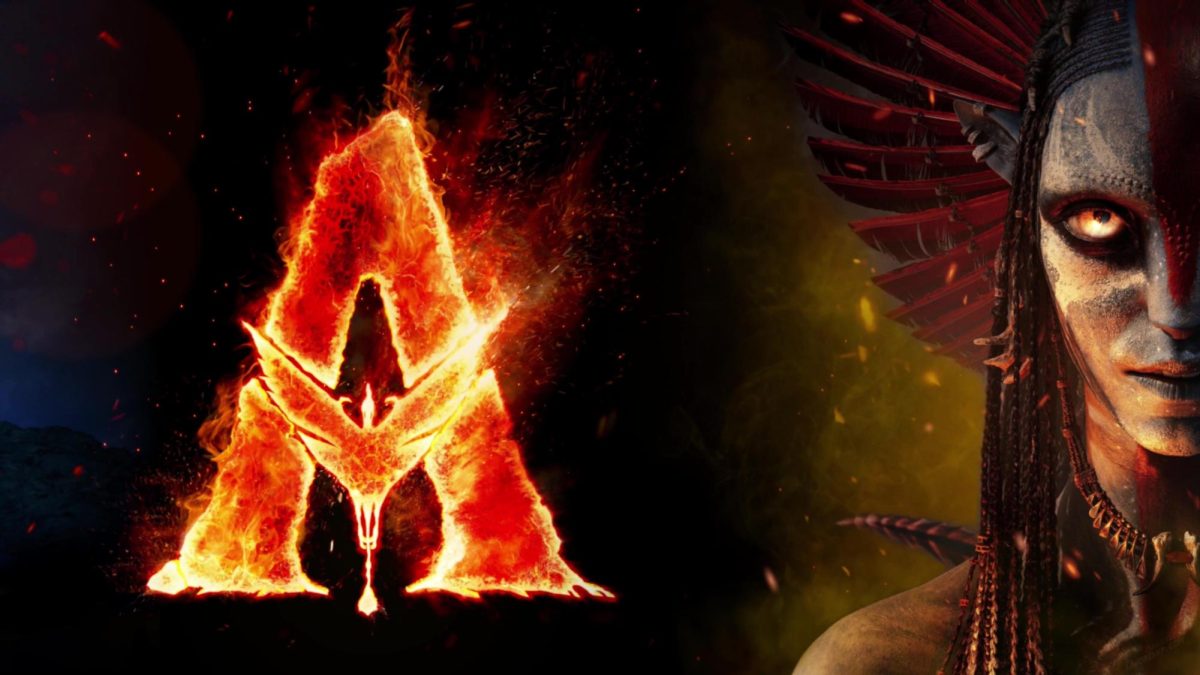
James Cameron returns to Pandora for a third time with Avatar: Fire and Ash, picking up almost immediately after the events of The Way of Water. As the midpoint of a planned five-film saga, the movie continues to showcase Cameron’s unparalleled technical filmmaking. The result is a visually magnificent and emotionally charged blockbuster that arguably stands as both the most ambitious and the most divisive entry in the franchise to date.
The Narrative: Grief and Redundancy
Grief is the thread connecting everyone in Fire and Ash, binding protagonists and antagonists alike. Through the goddess Eywa, who links the living and the dead, the Sully family continues to process the loss of their eldest son, Neteyam. Meanwhile, the human orphan Spider faces a personal crisis, grappling with his identity as the biological son of Colonel Miles Quaritch and the physical toll of his inability to breathe Pandora’s atmosphere.
While previous films toyed with the idea of diplomacy, Fire and Ash marks the first time Cameron directly challenges pacifism. Unfortunately, the narrative lacks the same edge to the two previous movies. Many plot points mirror The Way of Water so closely that the film occasionally feels like a missed opportunity to evolve. Furthermore, Spider occupies a significant amount of screen time yet remains frustratingly underwritten, despite his central importance to the plot.
Performances
The standout of the film is undoubtedly Oona Chaplin as Varang. As a powerful leader who rejects Eywa to protect her starving people, Varang is a complex foil to the Sully family. Her alliance with the “evil but flirty” Quaritch brings a fresh, fiery energy to the screen. Thus, Varang is undoubtedly the most compelling new addition to the franchise.
The core cast, led by Sam Worthington and Zoe Saldaña, remains dependable. However, both of the character’s development for Jake Sully feels as though it has slowed to a crawl. Furthermore, Worthington’s performance at certain intervals lacks the charisma needed to carry the heavier dramatic beats.
Visuals & Technical Achievement
Cameron has once again delivered a staggering array of visual imagination. From new bioluminescent creatures to massive, complex warships, the sheer scale of Pandora remains breathtaking. By seamlessly blending 3D and IMAX technology, Cameron ensures the film is a lock for multiple Academy Award nominations in technical categories.
Pacing & Runtime
Clocking in at 3 hours and 12 minutes, the pacing is a concern. While the first half introduces inventive action sequences, the middle act stalls as the story resets for yet another “big war” preparation. This repetition is most evident in the climax, which draws heavy criticism for its structural similarity to the finale of the previous film.